
Currants: a secret well-kept from the United States

If you are strolling through the farmers market and you see a little crate of tiny red jewel-like blobs sitting next to the berries, you’d be right to eye them with curiosity. While very common in Europe, currants are a seasonal delight that is just now being rediscovered by Americans. Between 1911 and 1966, these little gems were federally banned throughout the United States.
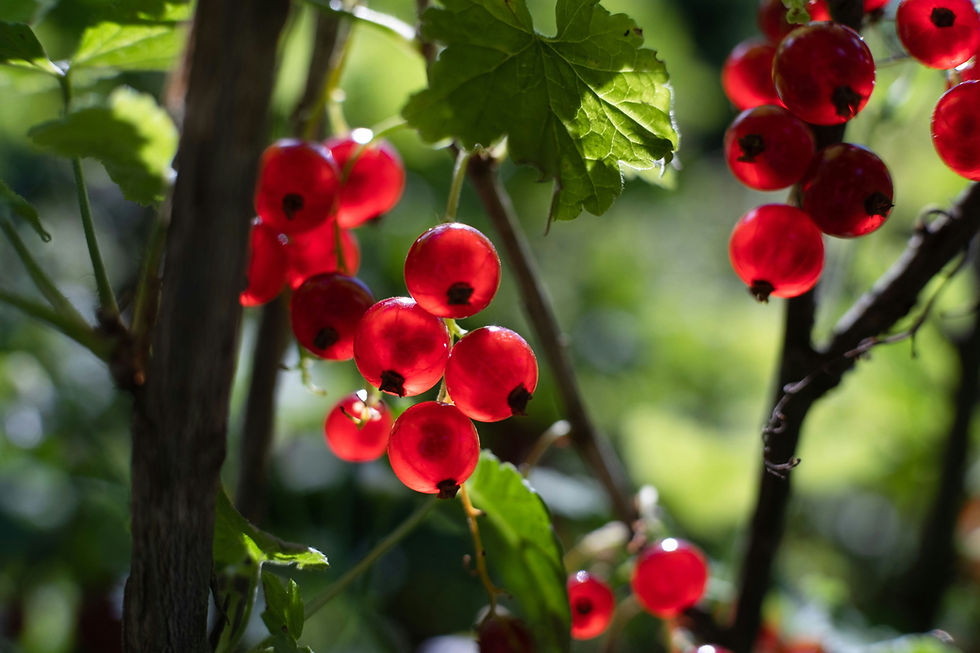
Currants and their cousins, gooseberries, are related species in the genus Ribes: hard, sturdy shrubs that produce berries in places with warm summers and cold winters. While most do come from Europe, there are some species native to America, particularly in the gooseberry family.
Unfortunately, their existence was deemed a threat at the beginning of the 20th century, when the shrubs became an ideal vessel for the growth of the pine blister rust. This was a nonnative fungus that quickly spread through American white pines, creating a panic in the timber industry.
The government responded with an outright ban in all the Ribes species, and extensive efforts to eliminate existing plants. After 55 years, the federal ban was lifted, but the enactment of these precautions remained with the states. To this day, only North Carolina continues to ban production completely, while 12 other states (mostly on the East coast) require permits that are dependent on the desired varieties and areas of cultivation.

That means that you might still need to apply for permits if you want to plant them yourself, but also that growers are catching up with these forgotten fruits. As of 2017, the University of Wisconsin in Madison reported there were already more than 500 acres planted, mostly in Connecticut, New York and Washington. It is nowhere near the estimated 7400 acres that were commercially planted before the ban came into place, but interest is quickly growing. Offrange reported more than 1000 farms in production in 2025, while institutions such as the Savanna Institute are devoting efforts to push it as a suitable species for agroforestry. The result is a slow resurgence into market stalls and restaurant menus. With good reason!

At the same time tart and sweet, their visual appeal matches the interesting flavor they can add to sweet and savory preparations. While blackcurrants are traditionally used for juice and cordials, they can also be well matched with dark meats. The red and white varieties are most often consumed as fruit, fresh, cooked or as garnish to other preparations. Their high pectin content also makes them very prized for cooking into jams and jellies.

So, next time their brightness catches your eye, go for it! Grab a crate and enjoy a long-forgotten taste that your great-grandparents probably knew as an everyday treat.


Comments