
Alliums: the sneaky family that shows up in (almost) everything

If you’ve ever started a meal by warming oil in a pan and adding something fragrant, you were probably reaching for an allium. Allium is the botanic genus behind many of our most relied-on kitchen ingredients—onions, garlic, leeks, shallots, scallions, chives, and more. Botanically, these plants store energy in bulbs (or thickened leaf bases) and share a signature chemistry: when you cut, crush, or chew them, sulfur compounds transform into the aromas and flavors we love (and sometimes cry over).
What makes alliums special in the kitchen is range. They can be sharp and bright when raw, silky and sweet when cooked low-and-slow, or deeply savory when roasted. Let’s explore together the main family members, some lesser-known ones and some tricks to make the most of them.
Onions and garlic: the dependable starters
These two appear in most cuisines as the building blocks of food. Pair onions with carrots and celery and you get the Italian soffritto or the French mirepoix, while onion, garlic, and tomatoes generate the Spanish sofrito. Onions plus garlic and ginger make the base for most Indian food, while switching onions for scallions produces the base for Chinese cuisine.
As you can see, onions are usually the universal base, the dependable “start here” ingredient across cuisines. Cooked low and slow, they soften into sweetness and become the foundation of soups, beans, curries, and rice dishes. The color matters: yellow onions are the all-purpose ones, while white onions are more mellow—thus suitable for eating raw—, and red onions are the most peppery, used finely chopped as garnish or the most prized for pickling.

Given enough time, onions will caramelize into something rich and jammy, perfect for sandwiches, tarts, pan sauces, and the iconic French onion soup (and dip!). Raw onions bring crunch and bite to salsas, salads, and quick pickles— although if you want to tame that sharpness, thin slicing and a brief cold rinse, or a quick toss with salt and citrus, can make them gentler.
Garlic is the intensity dial, and how you handle it matters. The finest the cut, the punchiest the flavour, because more damage is inflicted on the cell structure, releasing the enzymes that create allicin. This is why minced or pressed garlic hits the loudest, making it ideal for marinades, dressings, and fast sautés. Sliced garlic releases more slowly, lending a steadier flavor to stir-fries and pasta sauces. Roasted whole, it becomes sweet and spreadable.

Lesser-known versions of these two are vidalia onions (smaller and sweeter, ideal for caramelizing), cipollini onions (which in Italian means “little onions”), ideal for roasting and serving as sides, and garlic scapes, the tangled stems from which garlic plants flower.
Meet the rest of the team
The B-team of the Allium family is not as omnipresent but still works to lift so many flavors.
Shallots sit in that sweet spot between onion and garlic, adding quiet complexity without dominating. Their flavor is refined and balanced, which is why they’re so at home in classic vinaigrettes, pan sauces, and quick pickles. Chefs lean on them because they are not overpowering. Their finer grain and thin layers also make for smoother preparations, which are prized in fine dining.

Leeks offer a softer, silkier kind of allium sweetness—less bite, more comfort. They cook down beautifully for potato-leek soup, risotto, creamy gratins, and gentle braises, where they can hold their shape while turning tender. The only real trick is washing them well, since grit loves to tuck itself between the layers.

Scallions bring freshness and a clean bite, and they’re uniquely versatile because different parts behave differently. The white and pale green sections carry more pungency and work well as an aromatic in soups, stir-fries, and sautés, while the darker green tops add a grassy lift as a finishing touch for noodles, tacos, eggs, and salads. What’s more, if you let a scallion grow, it becomes a spring onion, with the larger bulb you can throw on a grill and it as a vegetable of its own.

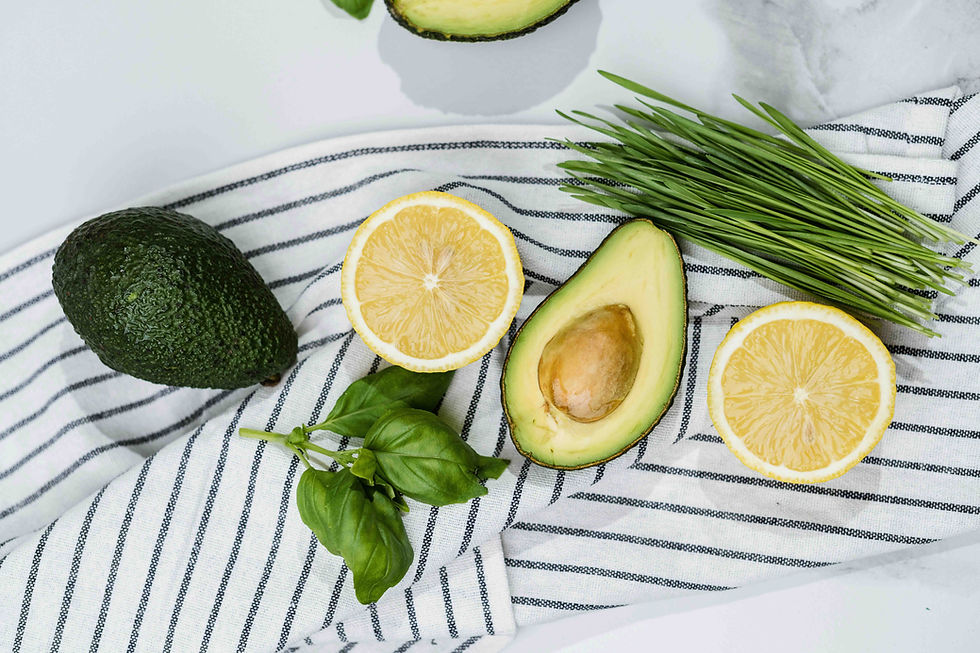
Chives, by contrast, are best treated like an herb—something you add at the end to brighten and sharpen without taking over. They’re especially good folded into eggs, sprinkled over baked potatoes and soups, or stirred into butter for a quick, restaurant-level finishing move.
Ramps—a type of wild leeks—feel like spring in ingredient form, with a garlicky-onion flavor that’s intensely seasonal. This is the lesser known of the bunch, and you need to you’re your eyes around the markets to catch it in the spring. Cooks love sautéing or charring the leaves, pickling the bulbs, or blending ramps into pesto and compound butters. Because ramps can be slow to reproduce in the wild, it’s worth looking for responsibly harvested sources or cultivated ramps when possible (a good starting point is to look for ramps that have been harvested leaves only, as the root should not be pulled from the ground).

When you’re deciding which allium to use, think in terms of the flavor job you need done. For deep sweetness and a sturdy base, onions and leeks are your best bet, especially with slow cooking. For bold punch, garlic and raw onion deliver. If you want a clean, fresh bite, scallions and chives shine as finishers. And for a softer, more nuanced layer, shallots tend to thread the needle. Often, the best results come from layering—onion in the base, a little garlic for depth, and scallions or chives at the end for brightness.
Alliums are proof that everyday ingredients can be powerful. They build flavor from the ground up, make simple meals feel complete, and remind us how much good cooking depends on a healthy relationship between soil, seed, and season.


Comments